Why Your Border Collie Digs (And How To Stop them)!
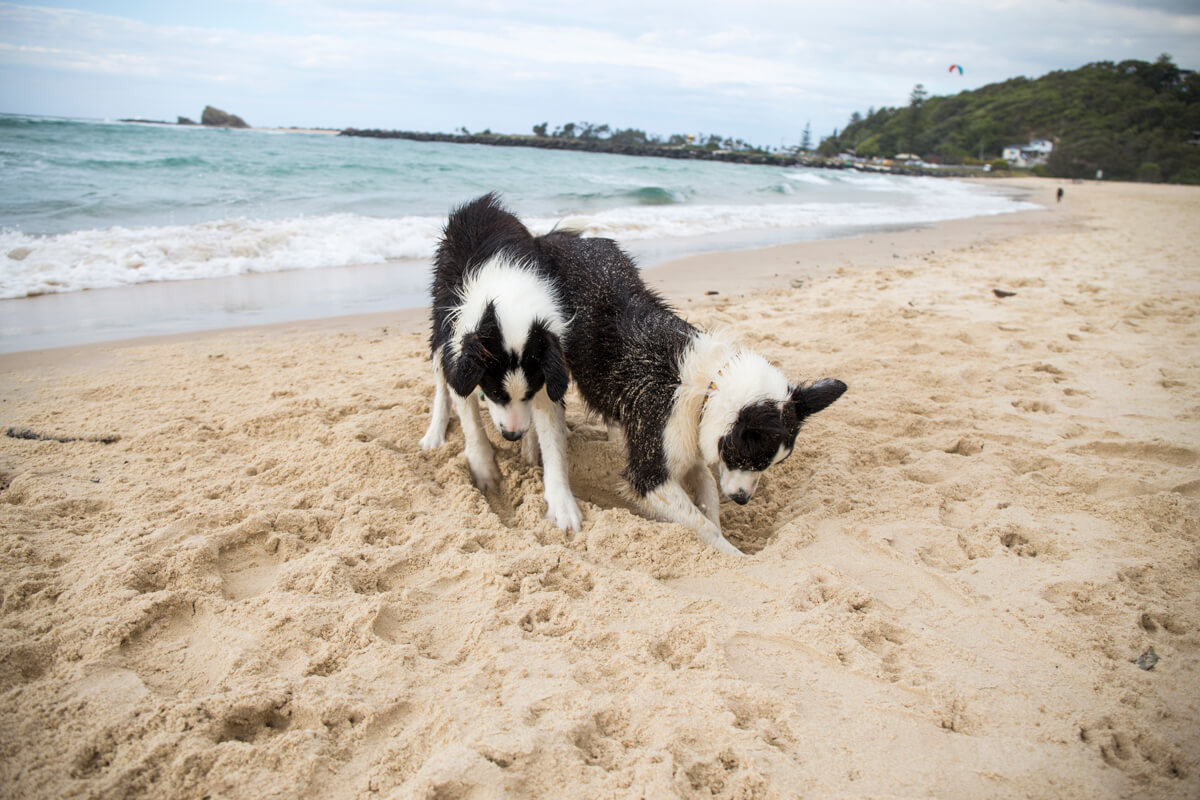
Digging is a natural instinct for many dog breeds, including Border Collies. It can serve a variety of purposes in the wild, such as creating a cool spot to rest in hot weather, burying food for later, or digging a den for protection. With this in mind, some digging is to be expected.
However, in a domestic setting, this behaviour can become problematic when you discover that your lawn or flower bed is repeatedly being destroyed. Excessive digging can also indicate that your Border Collie might be bored, stressed, lonely or hot.
In this article, we’ll dig into the reasons why Border Collies dig, and provide practical tips and techniques to help you stop this behavior.
Why do Border Collies dig holes?
There are a few reasons why a Border Collie might dig. It’s important to determine why your dog is digging so that you can address the root of the problem and work to provide a solution.
Because they’re bored
Border Collies are intelligent, high-energy working dogs. They require lots of mental and physical exercise to stimulate their minds and burn energy. When they’re not given enough opportunities to do so, they will become bored. A bored Border Collie is likely to become destructive, and digging can be one of those destructive behaviours. For them, digging provides mental enrichment and is also a great way to release pent-up energy.
To prevent digging due to boredom (and for overall health and happiness), it’s important to provide your Border Collie with plenty of exercise and mental stimulation on a daily basis. This includes taking them on long walks, runs, or hikes, playing fetch and providing puzzles or treat-dispensing toys to keep them satisfied.
To hide resources
In some cases, Border Collies may dig holes in order to hide resources, such as toys or bones, which they want to save for later. This behaviour is simply due to instinct, as in the wild, hiding resources would be a way for them to ensure they have access to food when they need it, without having to compete with others.
If you suspect that your Border Collie is digging holes to hide resources, ensure that they have access to lots of toys, so that they don’t feel the need to hide the few they do have. You can also try rotating the toys you give them so that they don’t because too attached to one particular toy and feel the need to hide it.
Because they’re stressed or lonely
Border Collies don’t do too well on their own and can get stressed or lonely when left alone for long periods of time. These emotions can cause destructive digging. If you notice your Border Collie digs after being left alone, it’s likely that stress, loneliness and/or separation anxiety is the cause.
These dogs need plenty of social interaction. Ensure you’re able to spend enough time with your Border Collie to keep him or her happy. If you do spend enough time with them but still feel like stress is causing the problem, try to pinpoint what happens around them just before they start digging.
Because they’re hot
If your Border Collie is digging because they’re hot, then this will be an easy cause to pinpoint. If they only dig during the summer or after exercise, you can be fairly certain that they’re trying to uncover cool soil to lie in.
To prevent your Border Collie from digging because their hot, you’ll want to make sure they have access to cool, shaded areas to rest in, as well as plenty of water. Dehydration can quickly lead to overheating. You can also provide them with fun and refreshing ways to cool down, like a shallow pool or a sprinkler to play in.
To investigate a smell
Most dogs have some innate hunting instincts. These instincts may cause them to dig to try and catch burrowing animals, or to investigate interesting smells. It’s possible that your Border Collie is attempting to reach animals residing in your garden, such as rabbits, moles, or badgers. Alternatively, your dog might be trying to unearth the remains of a deceased pet buried by a previous owner.
Because it’s fun
If you can’t pinpoint a particular reason for your Border Collie’s digging habit, it may just be because they find it fun. After all, it’s a natural instinct to dig and many dogs find it to be rewarding. If this is the case, you’ll need to redirect the behaviour and use positive reinforcement to train your Border Collie not to dig. We’ll cover this in the section below!
How to stop your Border Collie digging
If your Border Collie simply loves to dig and is reluctant to stop, consider providing him or her with a designated digging area. The reality is that digging is a natural behaviour, and so it’s best to simply redirect the behaviour to a designated area where that behaviour is allowed.
A sandbox could be a good option, or maybe just a designated section of your garden — fill it with rewards such as treats and toys, and your Border Collie should learn that this is a good place to dig.
Whenever your Border Collie starts to dig outside of the sandbox, interrupt them with a toy and redirect them to the designated digging area.
It’s important to understand that punishing your dog for digging is not effective and can lead to other behavioural issues — Border Collies are sensitive! Instead, focus on positive reinforcement by rewarding him when he uses the designated digging area.
Border Collies are working dogs who thrive on structure and routine. They often become completely devoted to their owner and want to please. By providing consistent training and setting clear expectations, they are more likely to succeed.
Summary
Your Border Collie may be digging because he’s bored, hot, wants to hide resources, or is investigating a smell. If you can diagnose one of these as the underlying cause, you can work to fix it.
If you’re certain that none of these potential causes is the reason for your Border Collie’s digging habit, consider providing him or her with a designated digging area. Training them to use the designated digging area may take time and patience, but with consistent redirection and positive reinforcement, you can reduce or even prevent unwanted digging behaviour altogether.