How Do I Stop My Border Collie Herding Me?
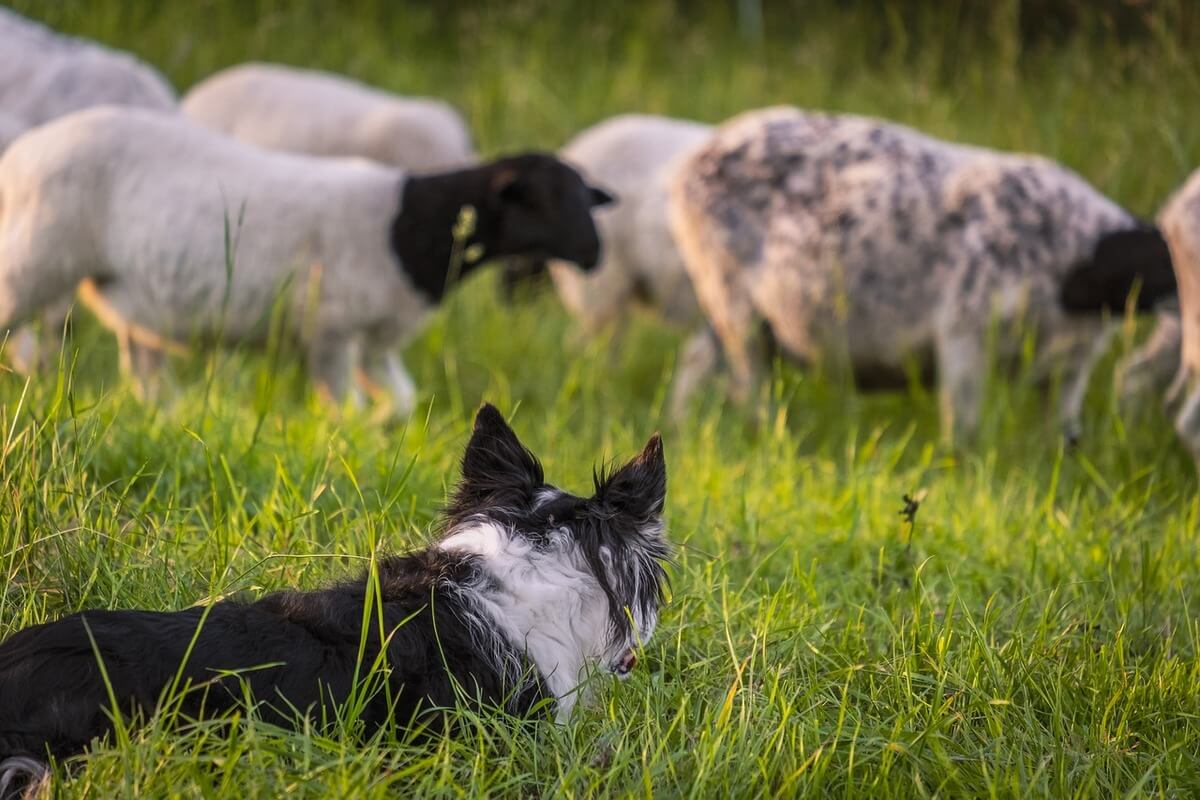
Crouching, creeping and then exploding into a sudden burst of energy, the Border Collie is famous for its intense herding instincts.
Border Collies are among the most intelligent and energetic dog breeds, known for their incredible work ethic and herding skills. However, these very traits can sometimes cause challenges for their owners, especially when the dog starts to herd people rather than livestock. This behaviour, while natural, can become problematic and even disruptive in a household setting. In this blog post, we’ll explore why Border Collies herd, and practical strategies to manage and redirect their herding instincts.
Why do Border Collies herd?
Border Collies have been purposefully bred for centuries to be exceptional herding dogs. Originating in the border region between Scotland and England, these dogs were specifically selected for their ability to control livestock, particularly sheep. The breed’s keen intelligence, high energy levels, and strong work ethic make them unparalleled in herding tasks. Over generations, herding behaviours have been deeply ingrained in their DNA, making it one of the most defining traits of the breed.
When a Border Collie doesn’t have a job to do, such as herding livestock, they may start to redirect their energy and herding instincts toward people, other pets, or even objects like bikes or cars. Herding behaviours in the home often manifest as nipping at heels, circling, barking, or intense staring — all actions that mimic their herding techniques used on sheep.
While this behaviour is a natural expression of their instincts, it can become problematic in a household environment. Border Collies may try to herd children, guests, or even their owners, which can lead to unintentional injuries, stress, or frustration for both the dog and the people involved.
How to manage Border Collie herding behaviour
Given that herding is an instinctual behaviour for Border Collies, completely eliminating it is neither realistic nor desirable. Instead, the goal should be to manage and redirect this behaviour in a way that still satisfies your dog’s natural instincts.
Here are 7 strategies to try:
1. Provide Adequate Physical and Mental Stimulation
One of the main reasons Border Collies resort to herding people is due to a lack of physical and mental stimulation. These dogs are incredibly active and require a significant amount of exercise and mental challenges to stay satisfied.
- Daily Exercise: Border Collies need at least 1-2 hours of vigorous exercise each day. This can include activities like running, hiking, or playing fetch. Regular physical activity helps burn off excess energy that might otherwise be directed toward herding behaviours.
- Mental Challenges: Incorporate activities that engage your dog’s mind. Puzzle toys, obedience training, and agility courses are excellent ways to keep a Border Collie mentally stimulated. Teaching them new tricks or commands can also be highly rewarding for both you and your dog.
- Interactive Play: Games like fetch, tug-of-war, or frisbee are great for physical stimulation. You can also try games that mimic herding, such as directing your dog to specific targets or objects, which allows them to use their instincts in a controlled environment.
2. Implement Consistent Training
Training is essential to managing herding behaviour. Border Collies are highly intelligent and respond well to consistent, positive reinforcement-based training methods.
- Basic Commands: Teach your Border Collie basic commands such as “sit,” “stay,” “come,” and “leave it.” These commands can help you control your dog’s herding impulses when they start to surface.
- Recall Training: Ensuring your dog has a strong recall is crucial, especially if they start to herd people or other pets. Practice recall in various situations, rewarding them generously when they respond correctly.
- Redirection: When you notice herding behaviour beginning, immediately redirect your dog’s attention to a more appropriate activity. This could be a game, a command they know well, or a task that engages their mind and body.
- Impulse Control: Work on impulse control exercises, such as “wait” and “stay,” to help your dog learn patience and self-regulation. Over time, this can reduce their tendency to react impulsively by herding.
3. Create Boundaries and Structure
Border Collies thrive on routine and structure. By setting clear boundaries and establishing a daily routine, you can help your dog understand what behaviours are acceptable and which are not.
- Designate Spaces: Establish specific areas in your home where your dog is allowed to be active and play. Conversely, designate certain spaces where herding or excessive activity is not allowed, such as the dining room or areas where young children play.
- Structured Playtime: Set aside specific times each day for play and exercise. This helps your dog understand when it’s appropriate to be active and when it’s time to be calm.
- Controlled Interaction: When introducing your dog to new people or pets, ensure the interactions are controlled. Use a leash or harness if necessary to prevent your dog from attempting to herd them. Gradually increase their exposure while rewarding calm behaviour.
4. Use Toys and Tools to Redirect Energy
Toys and tools designed to mimic herding activities can be highly effective in redirecting your Border Collie’s energy.
- Herding Balls: Specially designed herding balls are large, durable balls that Border Collies can push and chase. These toys simulate the experience of herding livestock and provide a physical and mental outlet for your dog’s instincts.
- Tug Toys: Engage your dog in a game of tug with a sturdy toy. This not only provides physical exercise but also reinforces boundaries and impulse control, as your dog learns to play without becoming overly excited.
- Flirt Poles: A flirt pole is a long stick with a lure attached to a string. It allows you to engage your dog in a controlled chase, which can help satisfy their herding instincts without involving people or other animals.
5. Consider Professional Training or Herding Classes
If your dog’s herding behaviour is particularly persistent or difficult to manage, it may be helpful to seek the assistance of a professional trainer or behaviourist.
- Professional Trainers: A professional dog trainer with experience in working with herding breeds can provide personalized guidance and strategies tailored to your dog’s specific needs.
- Herding Classes: Some trainers and facilities offer herding classes where your Border Collie can safely practice herding under controlled conditions. These classes provide an excellent outlet for your dog’s instincts and can help reduce the likelihood of them attempting to herd people.
- Behaviourists: For more severe cases, a certified dog behaviourist can help address underlying issues and develop a comprehensive behaviour modification plan.
6. Ensure Proper Socialization
Proper socialization is crucial for Border Collies, as it helps them become more comfortable and less reactive in various situations.
- Puppy Socialization: Start socializing your Border Collie as early as possible. Expose them to different environments, people, and animals in a controlled and positive manner. This helps them develop confidence and reduces the likelihood of them attempting to control situations through herding.
- Ongoing Socialization: Even as adults, Border Collies benefit from continued socialization. Regularly introduce them to new experiences and ensure they have positive interactions with a variety of people and pets.
- Desensitization: If your dog is particularly reactive or prone to herding in specific situations, work on desensitization techniques. Gradually expose them to the trigger while keeping them calm and rewarding non-herding behaviour.
7. Provide a Job or Purpose
Border Collies are happiest when they have a job to do. While not every owner can provide their dog with a traditional herding job, there are plenty of alternative activities that can give your dog a sense of purpose.
- Dog Sports: Engage your Border Collie in dog sports such as agility, flyball, or obedience competitions. These activities challenge them physically and mentally, providing an excellent outlet for their energy.
- Trick Training: Teach your dog a variety of tricks that require focus and precision. Border Collies are quick learners and enjoy the mental stimulation that comes with mastering new skills.
- Household Tasks: Believe it or not, Border Collies can be taught to help with certain household tasks. This might include fetching specific items, turning off lights, or even sorting laundry. These tasks give your dog a sense of purpose and keep them mentally engaged.